






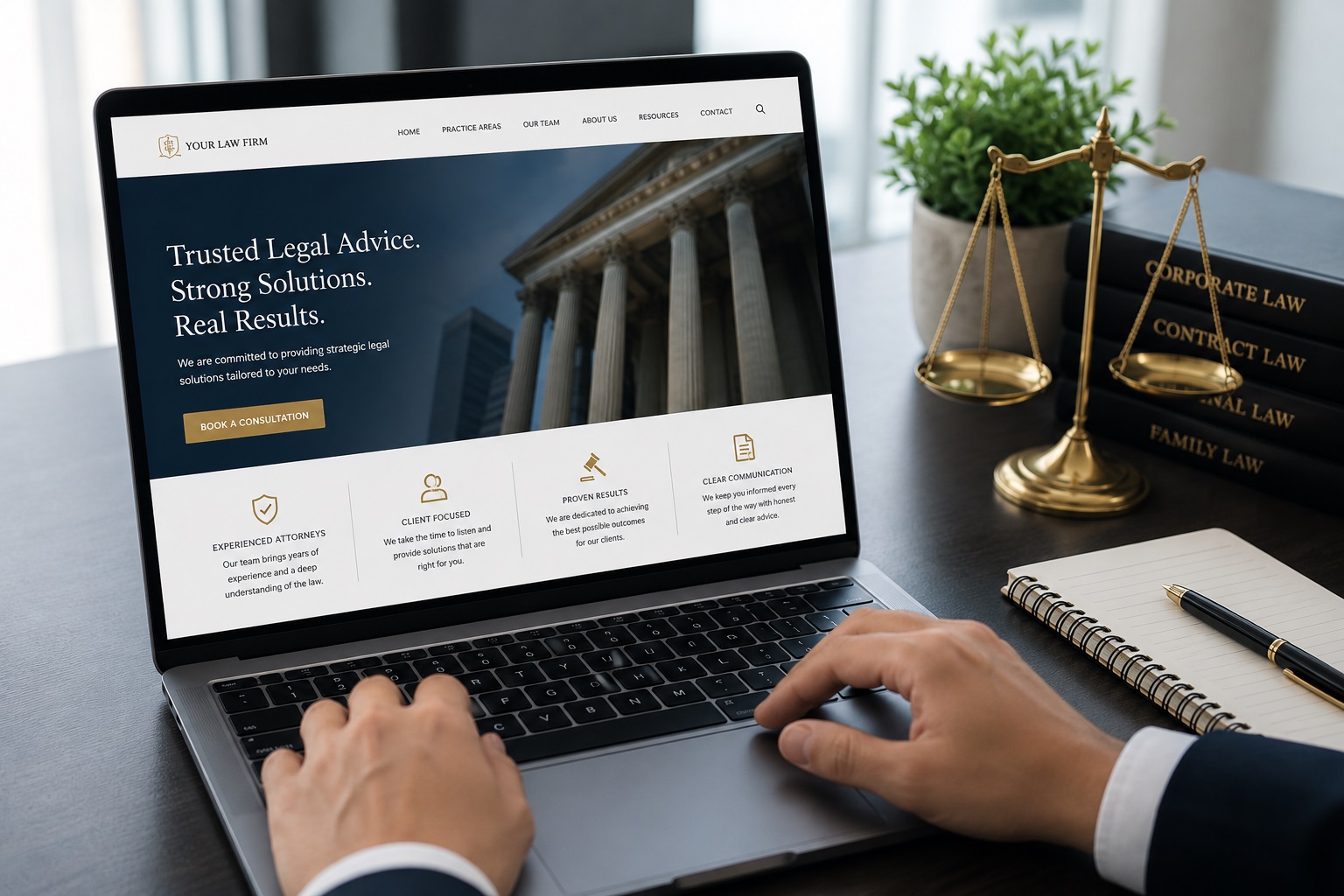
Vancouver has one of the most competitive legal markets in Western Canada, with firms ranging from single-practitioner offices to large multi-service practices all competing for the same local searches. In a market this crowded, a website built from a shared template rarely does enough to separate one firm from another, even when the legal work itself is excellent.
Table of Contents
- The Problem With Shared Templates
- What Custom Web Design Actually Changes
- Where Brand Comes Into the Picture
- A Practical Starting Point for Vancouver Firms
- The Bigger Picture
- FAQs
- Why do law firms need custom web design instead of a template?
- How does AI search change what a law firm website needs?
- Should a firm work on branding before redesigning its website?
- Is mobile experience really that important for law firm websites?
- What’s a reasonable first step for a firm with a dated website?
Attorneys often assume a website’s job is simply to look professional and list services. In reality, it needs to do far more. It has to explain complex legal concepts clearly, build trust with someone who may be dealing with a stressful situation, and hold up against how people search today, including through AI tools that summarize answers instead of showing a list of links to click through.
The Problem With Shared Templates
Most template-based law firm websites were built to be filled in quickly. A firm picks a layout, swaps in its logo and contact details, and publishes a site that looks similar to dozens of others in the same city. This approach can work reasonably well for a basic online presence, but it creates real limits once a firm wants to stand out or rank well for local searches.
Templates typically bundle every practice area into one general page, use generic stock photography, and rely on vague copy that could describe almost any law firm in any city. None of that gives a potential client, or an AI system summarizing search results, anything specific to work with. A person searching for a personal injury lawyer in Vancouver wants to see clear signals that a firm actually handles those cases regularly, not a generic paragraph about legal excellence.
What Custom Web Design Actually Changes
Custom web design gives a firm control over structure, not just appearance. Each practice area can have its own clearly titled page instead of being folded into a single services list. Content can be organized around the specific questions Vancouver clients actually ask, rather than fitting into a template built for a completely different market.
Selecting custom web development services for Vancouver law firms ensures that you build clear practice area pages and a strong internal structure rather than relying on a generic template with a new logo added on top. A custom-built site makes it easier to structure content, headings, and page hierarchy in a way that both people and AI systems can follow, something a rigid template rarely allows.
Site speed and mobile experience are part of this too. Many people search for legal help on a phone, often outside regular business hours, right after something has gone wrong. A slow or cluttered mobile experience can push a potential client to the next search result before they even read what a firm offers.
Where Brand Comes Into the Picture
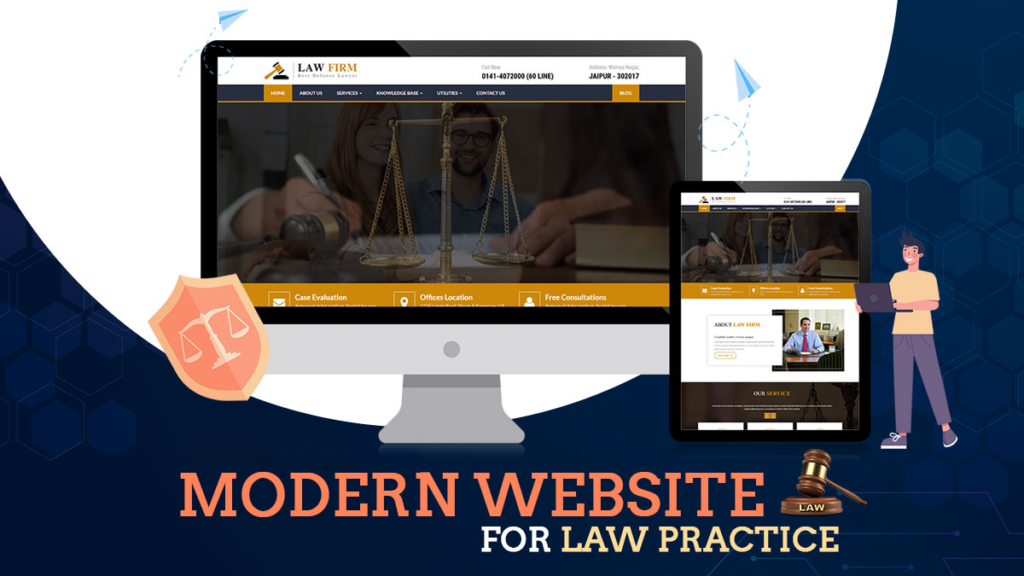
Website structure solves part of the problem, but it only works alongside a clear sense of what a firm actually stands for. Two firms can have equally well-built websites and still leave very different impressions if one has a defined voice and positioning while the other reads like generic legal copy.
This is where working with brand strategy consulting firms tends to make a real difference before any web design work even begins. Defining how a firm wants to be perceived, what kind of clients it wants to attract, and how it talks about its own expertise gives the website something solid to communicate, rather than filling pages with the same language every other firm uses. Attorneys who invest in this step first often find the web design process moves faster, since decisions about tone, messaging, and layout have a clear foundation to build from.
A Practical Starting Point for Vancouver Firms
Firms considering a website update don’t need to overhaul everything at once. A few starting points tend to make the biggest difference:
- Split each practice area into its own page instead of one combined services section
- Replace generic stock photography and vague copy with specific, locally relevant content
- Confirm the site loads quickly and works cleanly on mobile devices
- Keep case results, testimonials, and attorney bios current and specific
- Clarify positioning and messaging before finalizing website copy, so the site reflects a defined voice rather than generic legal language
None of these steps require abandoning a firm’s existing identity. They simply mean building a site around real structure and a clear sense of positioning, rather than a shared layout with the logo swapped in.
The Bigger Picture
A well-designed website is no longer just a digital business card. It’s often the first real interaction a potential client has with a firm, and increasingly, it’s also what AI tools rely on when summarizing who to contact for a given legal need. Attorneys in Vancouver who treat their website as a structural and strategic asset, not just a design project, tend to have an easier time standing out in a market where most competitors still look and sound the same.
FAQs
Why do law firms need custom web design instead of a template?
Templates limit control over structure and content organization. Custom design allows each practice area and the firm’s overall positioning to be presented clearly rather than squeezed into a generic layout.
How does AI search change what a law firm website needs?
AI tools summarize information from sources they can easily parse. Clear headings, defined practice area pages, and specific content give both search engines and AI systems something concrete to reference.
Should a firm work on branding before redesigning its website?
It helps. A clear sense of positioning and voice gives the web design process direction, so the finished site actually reflects how the firm wants to be perceived rather than generic legal language.
Is mobile experience really that important for law firm websites?
Yes. A large share of legal searches happen on a phone, often outside business hours, so a slow or cluttered mobile experience can cost a firm a potential client before they even read what’s offered.
What’s a reasonable first step for a firm with a dated website?
Splitting practice areas into individual pages and updating outdated or generic content is usually the fastest, most noticeable improvement before a full redesign.